
Table of Contents
Ever watched a skateboarder effortlessly glide and wondered about the magic behind it? It looks cool, right? But like anything we do repeatedly, skateboarding can sometimes lead to our bodies becoming a bit lopsided. Think of it like always carrying your backpack on the same shoulder. Eventually, one side might feel a bit stronger, a bit more used to the weight. This article will explore whether skateboarding does cause muscle imbalance. We'll look at why this happens, what problems it might cause, and most importantly, what you can do about it. So, kickflip into this article to learn how to keep your body balanced while you're shredding!
Key Point | Details |
|---|---|
Uneven Muscle Development | Skateboarding often makes one leg stronger than the other due to repetitive pushing and trick execution. |
Common Imbalances | Knee strength differences from side to side and imbalances between hamstrings and quadriceps are common in skateboarders. |
Contributing Factors | Skating style, how often you skate, and how hard you skate all play a role in muscle imbalances. |
Potential Issues | Muscle imbalance can lead to pain, discomfort, and potentially affect your skating performance. |
Solutions | Specific exercises and training can help correct and prevent muscle imbalances caused by skateboarding. |
Understanding How Skateboarding Does Cause Muscle Imbalance
Understanding How Skateboarding Does Cause Muscle Imbalance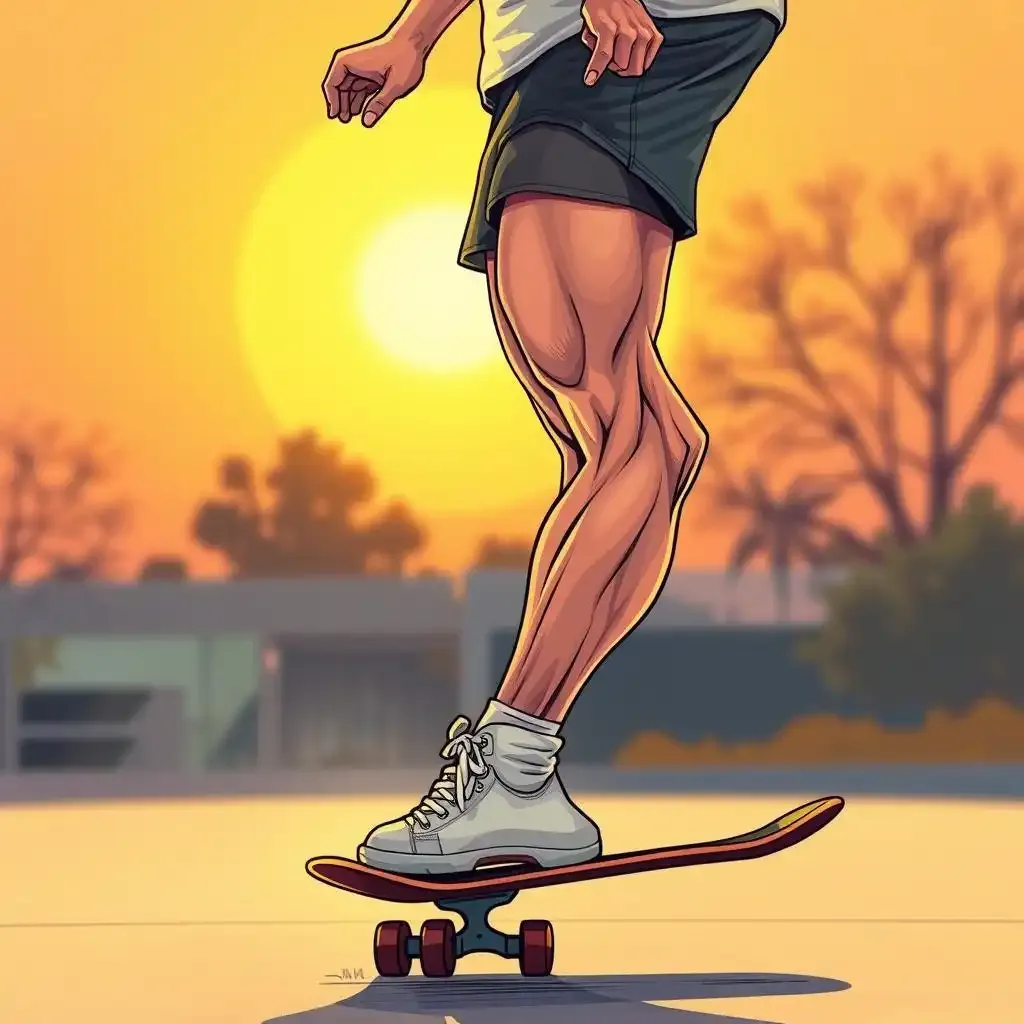
The One-Sided Hustle of Skateboarding
Think about when you're pushing on your skateboard. You're probably always using the same leg to kick, right? It's like when you're a kid and you always use the same foot to kick a soccer ball. That one leg gets a super workout, constantly pushing you forward. Meanwhile, the other leg is mostly just standing there, balancing. Over time, this can make one leg stronger than the other. It's not a huge deal at first, but imagine doing that same kick, thousands and thousands of times. That's what happens when you're learning to skate or cruising around a lot. This repeated action can lead to muscles on one side of your body developing more than the other. You can learn more about the history of skateboarding to appreciate how long people have been doing these repetitive motions!
Why Legs Get a Little Lopsided
It's not just the pushing leg that gets all the action. Think about doing tricks. When you ollie, you pop the tail with one foot and slide the other up the board. Again, one leg is doing more of the work. It's kind of like when you're painting a fence – you use one arm to hold the brush and do most of the painting, while the other arm just kind of helps out. Because of these repeated movements, skateboarders can develop stronger muscles on one side. This isn't necessarily bad, but it can lead to imbalances. It's like building one really strong tower and another slightly less strong one right next to it. They might not be perfectly balanced. Did you ever wonder, are skateboards dangerous? It's worth thinking about safety as you learn.
More Than Just Stronger Legs
It's not just about one leg being bigger than the other. Sometimes, certain muscle groups within the same leg can become unevenly strong. For example, the muscles in the front of your thigh (quadriceps) might become much stronger than the muscles in the back of your thigh (hamstrings). This can happen because of the way you're using your legs to balance and control the board. It's like having a tug-of-war where one side is way stronger. The rope is going to get pulled more in one direction. These kinds of imbalances can sometimes lead to discomfort, especially around your knees. Ever wondered if can skateboarding help lose weight? It definitely gets you moving, but it's good to be aware of these potential muscle imbalances too.
The Consequences of Muscle Imbalance from Skateboarding
Okay, so you've got one leg that's a superstar pusher and another that's just along for the ride. What's the big deal, right? Well, imagine your body is like a car. If one of the tires is bigger than the others, you're not going to have a smooth ride, are you? That's kind of what happens with muscle imbalance. It can lead to some annoying issues. Think about your knees. They're like the hinges on a door, and if the muscles around them are pulling unevenly, those hinges might start to creak or even get a little wonky. Maybe you'll start feeling some weird aches after a long session at the skatepark. It's your body's way of saying, "Hey, things aren't quite lined up here!" It might even affect your skating. Ever feel like you can't quite land a trick as cleanly as you used to? That could be because your body isn't as balanced as it should be. It's like trying to do a cartwheel when one arm is way stronger than the other – you're probably going to wobble a bit. Speaking of wobbling, if you're noticing your board feels a bit unstable, maybe check if are skateboards dangerous because sometimes it's not just your balance, it could be your gear too! It's not about becoming some kind of monstrous, lopsided skater overnight, but over time, these little imbalances can add up.
Addressing and Preventing Muscle Imbalance: Does Skateboarding Have to Cause Problems?
Addressing And Preventing Muscle Imbalance Does Skateboarding Have To Cause Problems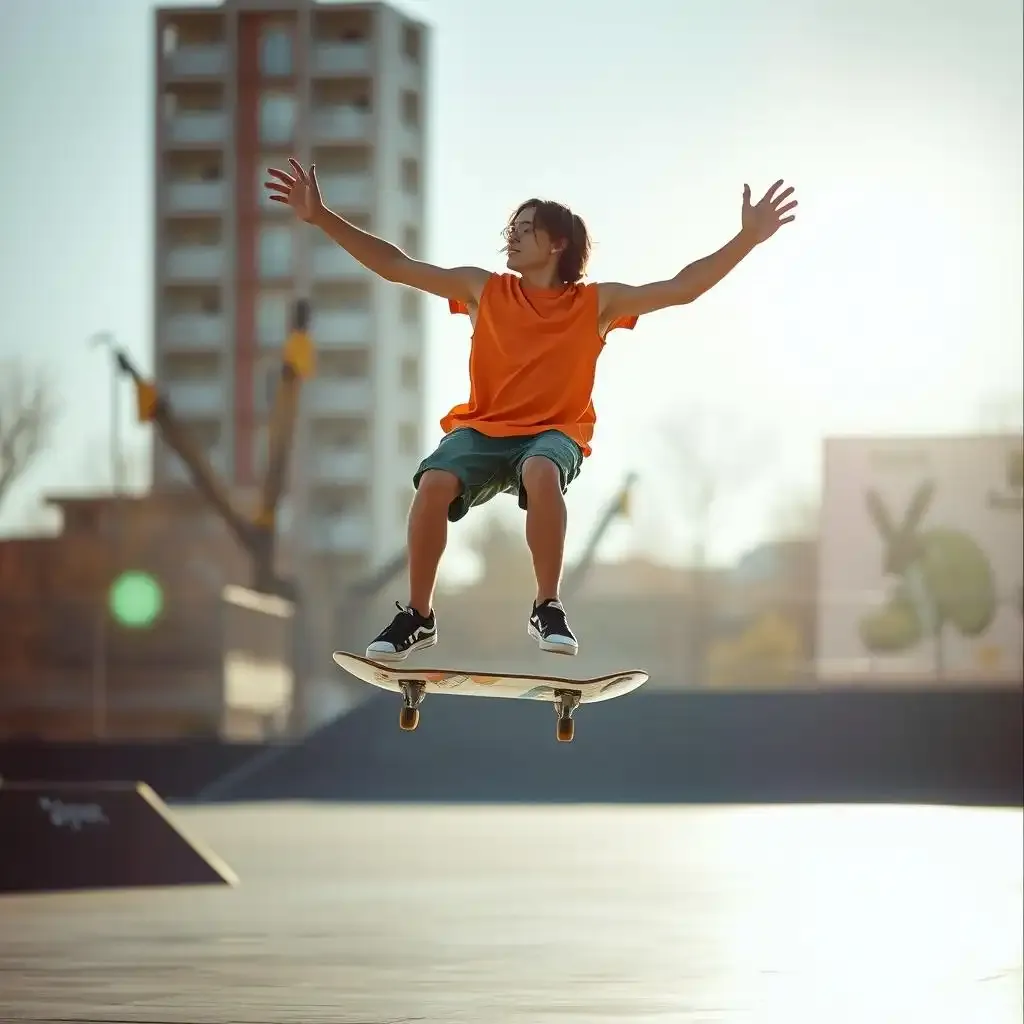
Getting Stronger the Smart Way
Alright, so we've talked about how skateboarding can make you a bit lopsided, like a superhero with one super-strong arm. But here's the good news: it doesn't have to be that way! Think of your body like a seesaw. If one side is way heavier, the other side is going to be up in the air, feeling useless. Our goal is to balance that seesaw. That's where calisthenics comes in. I'm talking about simple bodyweight exercises you can do anywhere. Things like squats, lunges, and planks are your secret weapon. If your pushing leg is feeling like it's hogging all the glory, hit some single-leg squats on the other side. It's like giving the underdog a chance to shine. Remember that discussion about are skateboards dangerous? Well, an unbalanced body can increase the risk of injury, so this isn't just about looking even; it's about staying safe.
Calisthenics: Your Skateboarding Sidekick
I know what you might be thinking: "Ugh, more exercises?" But trust me, this isn't about becoming a gym rat. It's about being a smarter skater. Think of calisthenics as the maintenance crew for your skateboarding adventures. Just like you need to check if can skateboards get wet to keep your board in good shape, you need to check in with your body. For example, if you're always turning left on your board, your right side might be getting a bit neglected. So, do some exercises that specifically target those muscles. Push-ups are great for overall upper body strength, which helps with balance on the board. And don't forget your core! Planks and Russian twists are like the glue that holds everything together. "Take care of your body. It’s the only place you have to live." – Jim Rohn. This quote isn't about skateboarding specifically, but it totally applies.
Small Tweaks, Big Difference for Skaters
It's not just about adding extra workouts, though. You can also make small changes to your skating routine. Try pushing with your non-dominant leg sometimes. I know, it feels super awkward at first, like trying to write with your other hand. But even a little bit helps to even things out. Think of it as giving the less-used muscles a chance to learn the ropes. Also, pay attention to how you land tricks. Are you always landing with more weight on one leg? Try to be more conscious of distributing your weight evenly. This is like making sure both feet are equally planted when you jump. And remember, stretching is key. Tight muscles can contribute to imbalances. Think of your muscles like rubber bands – you need to keep them flexible. Curious about the origins? You can explore did skateboarding come from surfing to understand the evolution of the sport and how these movements developed.
Staying Balanced On and Off the Board
So, does skateboarding cause muscle imbalance? The short answer is: it can. The repetitive nature of pushing and performing tricks naturally favors one side of your body. Ignoring this imbalance isn't wise; it can lead to discomfort and even hinder your skating. However, it's not an overwhelming problem. By understanding how these imbalances develop and taking proactive steps through targeted exercises and mindful practice, you can enjoy skateboarding without becoming too lopsided. Think of it as tuning your body like you tune your board – regular maintenance keeps everything running smoothly. Keep pushing your limits on the board, but remember to push for balance in your body too.